When hybrid cars first came out, many people thought they would never become popular and that their capabilities were inferior to traditional gas-powered cars. With their improved fuel efficiency and reduced emissions, hybrid cars have become very popular over the past decade. Nowadays hybrids are being used as a primary mode of transportation in some countries. This article explains how hybrid cars work, their advantages and limitations, and their role in the future of automotive technology.
What Are Hybrid Cars?
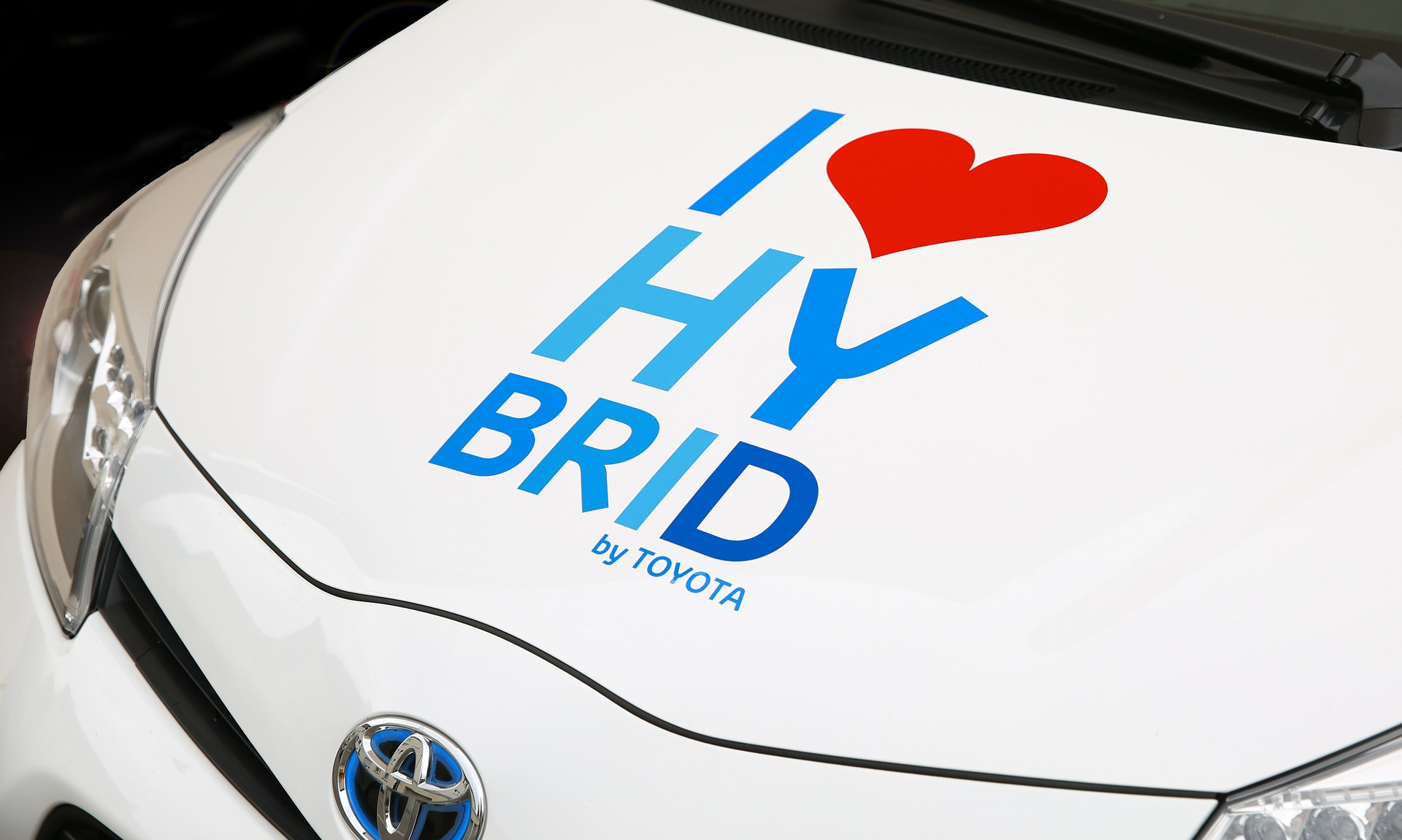
Hybrid cars are a mixture of both electric and gasoline-powered vehicles. A hybrid car combines an internal combustion engine with one or more electric motors. Depending on the vehicle and driving conditions, the electric motor, petrol engine, or both may power the car. Hybrid cars are cars that have an electric-powered motor and a gas-powered engine. Hybrids provide better fuel economy than traditional cars. Many hybrid cars use less fuel and produce lower tailpipe emissions than comparable conventional vehicles, although the exact benefit varies by model and driving conditions.
How Do They Work?
Hybrid cars use a combination of fuel sources, like gasoline and electricity. The vehicle’s control system automatically decides when to use the electric motor, combustion engine, or both. During braking, regenerative braking captures energy that would otherwise be lost and stores it in the battery. The brakes and motors work in sync to generate electricity that charges the battery.
Pros and Cons of Hybrid Cars
The hybrid car is the future of automotive technology. Hybrid vehicles may offer better fuel economy and lower emissions than comparable conventional cars. However, there are some pros and cons to this car that may affect the buyer’s decision. Some of the advantages include a quieter engine because it doesn’t use an internal combustion engine, low emissions, and quieter operation when the vehicle is running primarily on electric power. The cons include higher cost and possible engine issues in the long run.
Types of Hybrids
The main categories include mild hybrids, full hybrids, and plug-in hybrids. Mild hybrids use an electric motor to support the engine but generally cannot drive using electricity alone. Full hybrids may operate using the engine, electric motor, or both. Plug-in hybrids have larger batteries that can be charged externally and can usually travel farther using electricity alone.
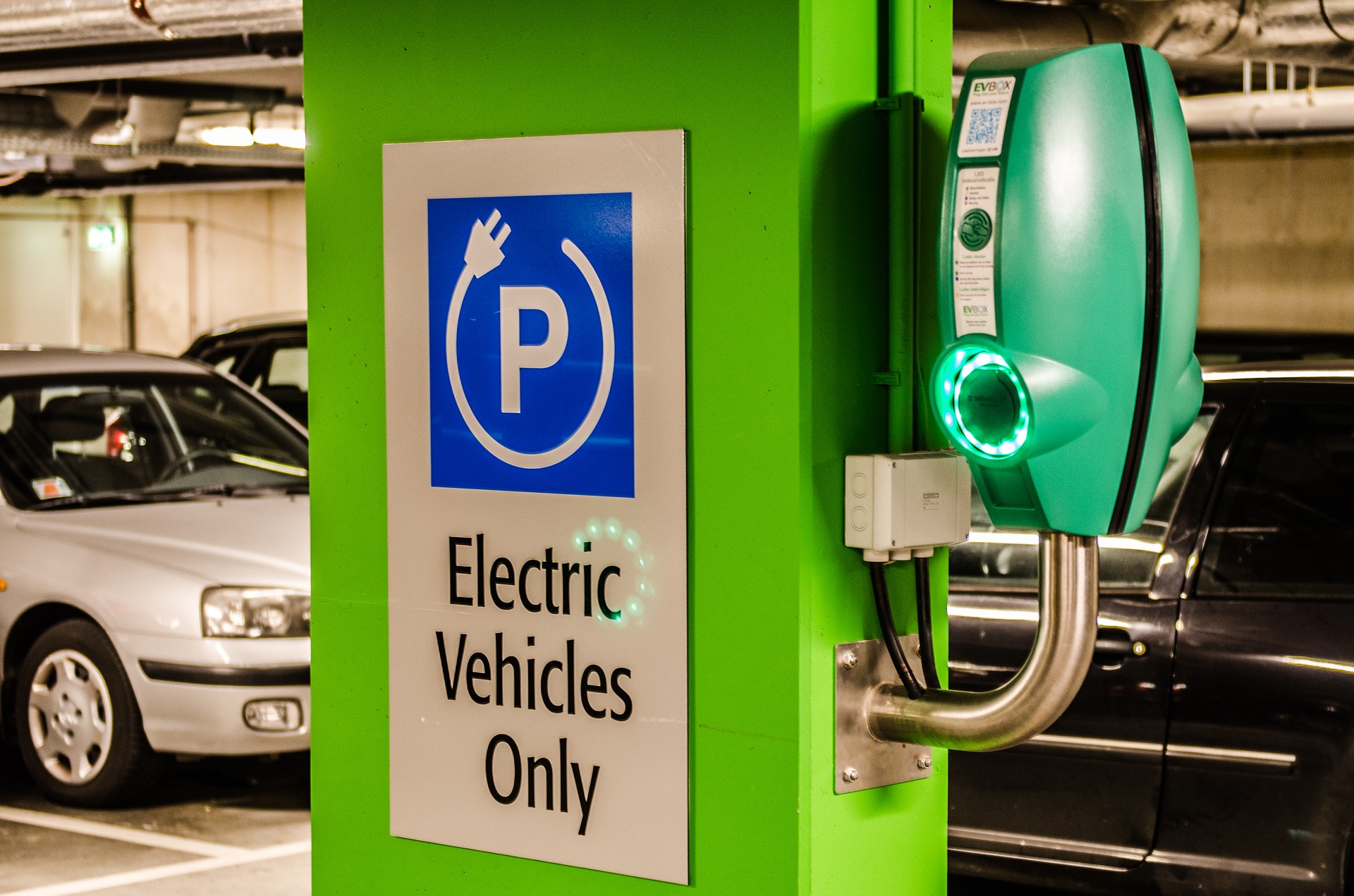
Plug-in hybrid models can complete some journeys using electricity before they need to use the combustion engine. They are generally most useful for drivers who have regular access to charging.
Advantages of Hybrid Cars
Hybrid technology can improve efficiency, while overall safety depends on the individual vehicle’s design, ratings, and installed features; it is more efficient and better for the environment. The best part about these new hybrids is that they are able to drive on gasoline or electricity depending on what it’s most cost-efficient for you. These cars also come with a number of other safety features such as parking cameras, collision warnings, lane assistance, and automatic emergency braking. Hybrid cars are the future of automotive technology. The majority of hybrid cars have a smaller carbon footprint than traditional petrol- and diesel-powered cars. They can also have diesels, electric motors, or gasoline engines. Some hybrid cars provide responsive acceleration and lower fuel consumption, although performance and ownership costs vary across models.
Conclusion
In the future, cars will be a hybrid of various technologies in order to improve fuel efficiency, reduce emissions and create more environmentally friendly vehicles. Hybrid cars can help reduce fuel consumption and tailpipe emissions while offering drivers the convenience of a combustion engine. Their suitability depends on purchase price, driving habits, fuel costs, and the type of hybrid system.