Will electric vehicles eventually replace petrol- and diesel-powered vehicles? If so, what will be the effect on our society and economy? In this article, we’ll explore these questions, as well as a few other ones about how electric vehicles may support efforts to reduce transport-related emissions.
What is an Electric Vehicle?
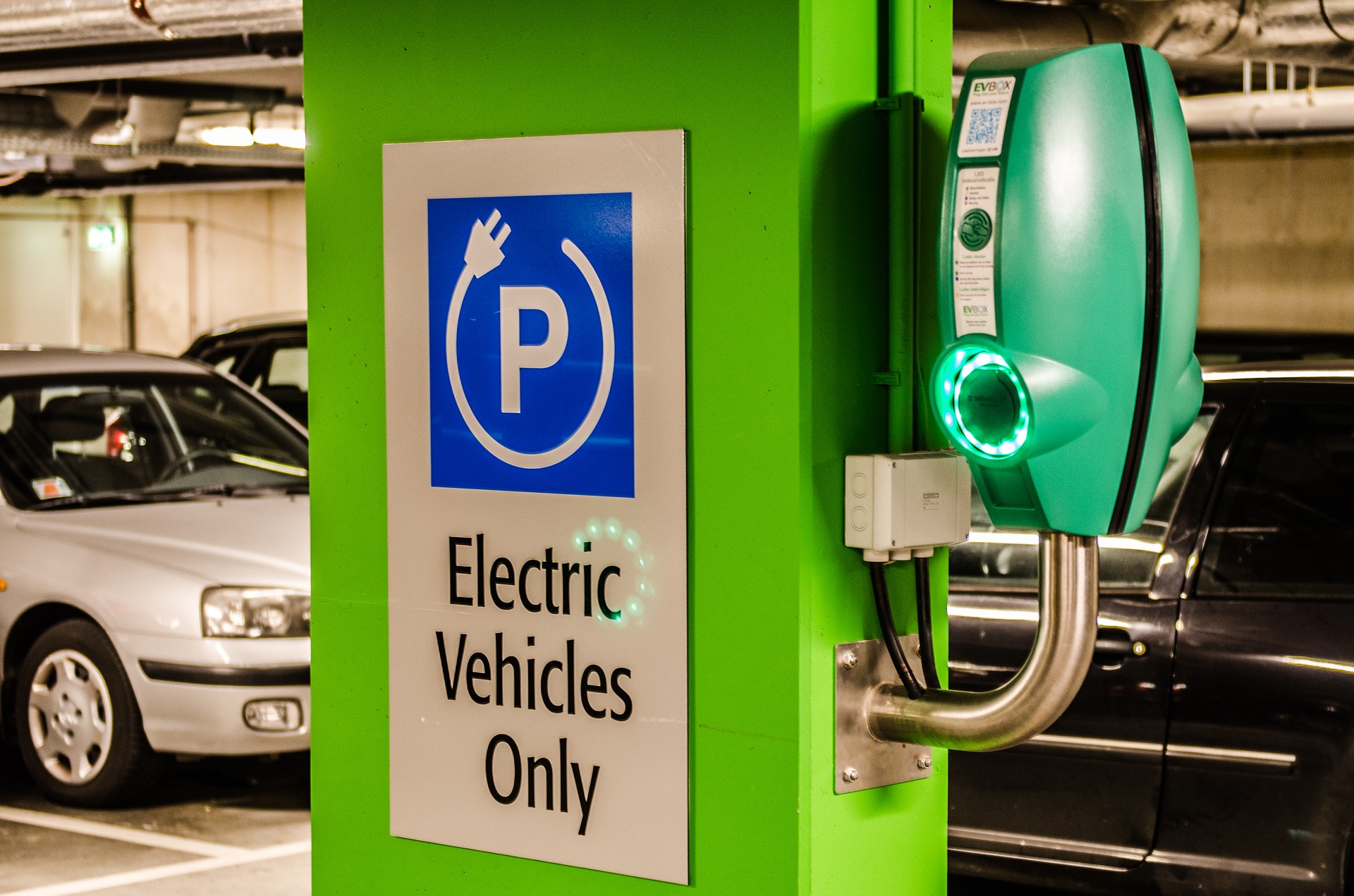
An electric vehicle, or EV, uses an electric motor powered partly or entirely by electricity. Fully electric vehicles run only on electricity and must be recharged rather than refueled with petrol or diesel. An EV has batteries, which can be recharged by plugging it into an outlet. EVs also cost less to own because they don’t require as much maintenance as a conventional car. Electric vehicles are cars that run on electricity rather than petrol. Fully electric vehicles produce no tailpipe emissions, although their overall environmental impact depends partly on electricity generation and battery production. Electric cars may have lower running and maintenance expenses because they contain fewer moving parts, although purchase prices and savings vary by model and location.
Benefits of an Electric Vehicle
An electric vehicle is a great way to reduce your running costs, contribute to the environment, and be more efficient. Battery-electric vehicles can offer lower energy costs, smooth acceleration, and reduced routine maintenance. Battery lifespan varies by vehicle, usage, climate, charging habits, and battery technology. Charging an EV increases household electricity use, but the total running cost may still be lower than buying petrol or diesel, depending on local energy prices and driving habits.
Are the Pros Consistent?
Electric vehicles have been a topic of debate for quite some time. Some people say that they are cleaner than traditional vehicles, while others say that they are not. The price of electric cars has dropped significantly in the last few years. If you are hesitant to invest in an electric vehicle. Buyers should compare purchase price, charging access, driving range, maintenance expenses, and available incentives before choosing an EV. Many electric vehicles have been introduced on the market, making it difficult to choose from them. The best electric car for you will depend on your needs and personal preferences. If you are in the market for a new or used hybrid or electric car, make sure the pros and cons are consistent across models and brands.
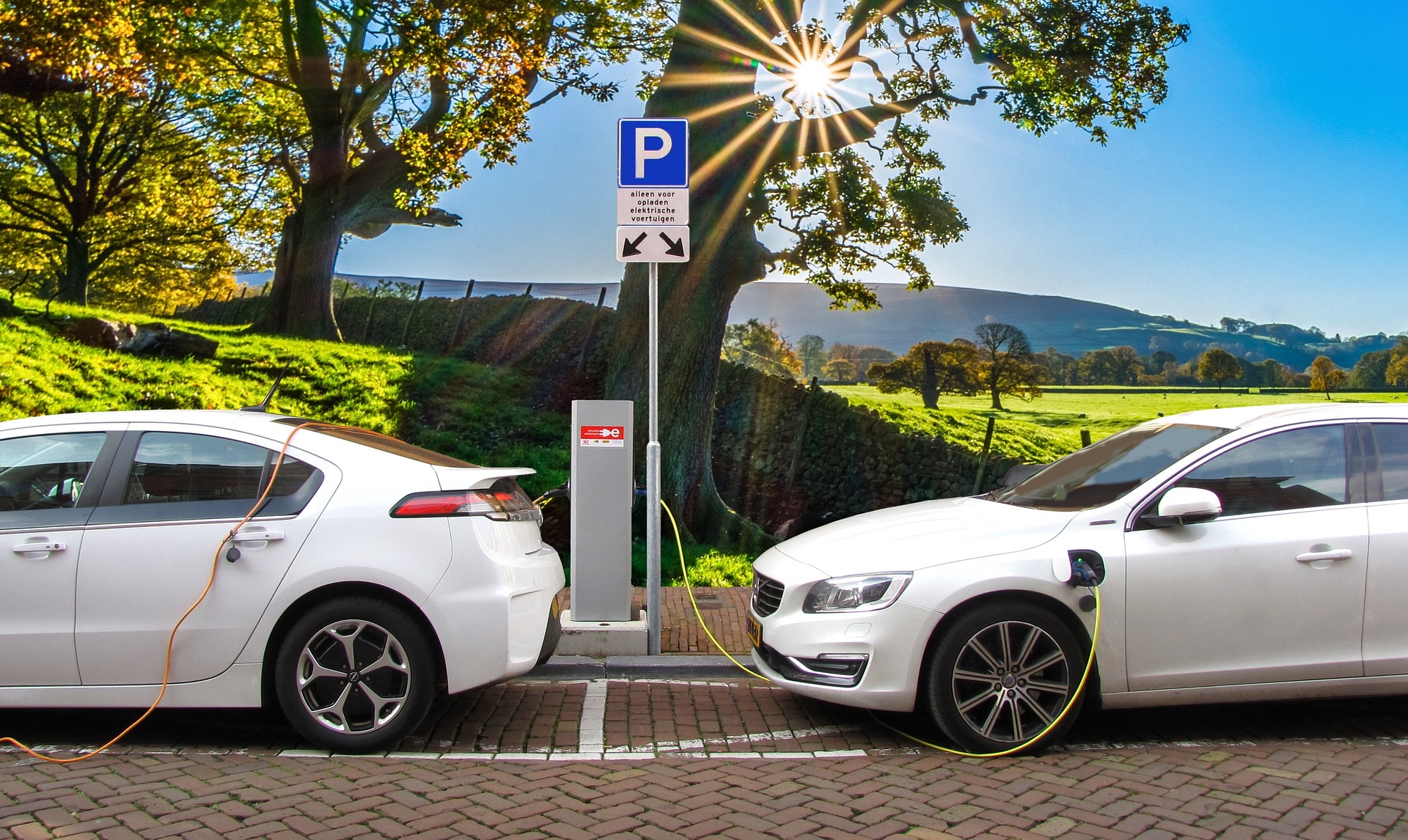
How the electric vehicle works
An electric vehicle is a type of car that has no combustion engine and no emissions. Electricity powers all the vehicles on the road today, and electric vehicle adoption is growing worldwide and is expected to represent a larger share of future car sales. Electric vehicles use a battery to power all the necessary components. During charging, electricity flows into the battery. Electricity is then pushed out of the battery by turning the electric motor and sending power to the wheels. Using this system, electric vehicles have many benefits over their traditional counterparts, such as lower emission rates, no harmful oil changes, and no wasted fuel.
Safety Considerations for Electric Vehicles
Electric vehicles are the future of transportation. They are eco-friendly, emissions-free, and take up less space than gas cars. However, some people worry about the safety of electric vehicles because they don’t have a traditional engine. Electric cars are still new, but they have many benefits. One of the most significant benefits is that they are very safe. The most important safety feature for electric vehicles is a front-mounted radar that drivers can use to detect objects in front of them. Safety features differ by model and may include collision warnings, automatic emergency braking, cameras, airbags, and driver-assistance systems.
Conclusion
Electric vehicles are changing transportation by reducing reliance on petrol and diesel, lowering tailpipe emissions, and encouraging investment in batteries and charging infrastructure. Their overall benefits depend on how electricity is produced, how batteries are manufactured, and how the vehicles are used.